
Emergency & Intensive Care in India
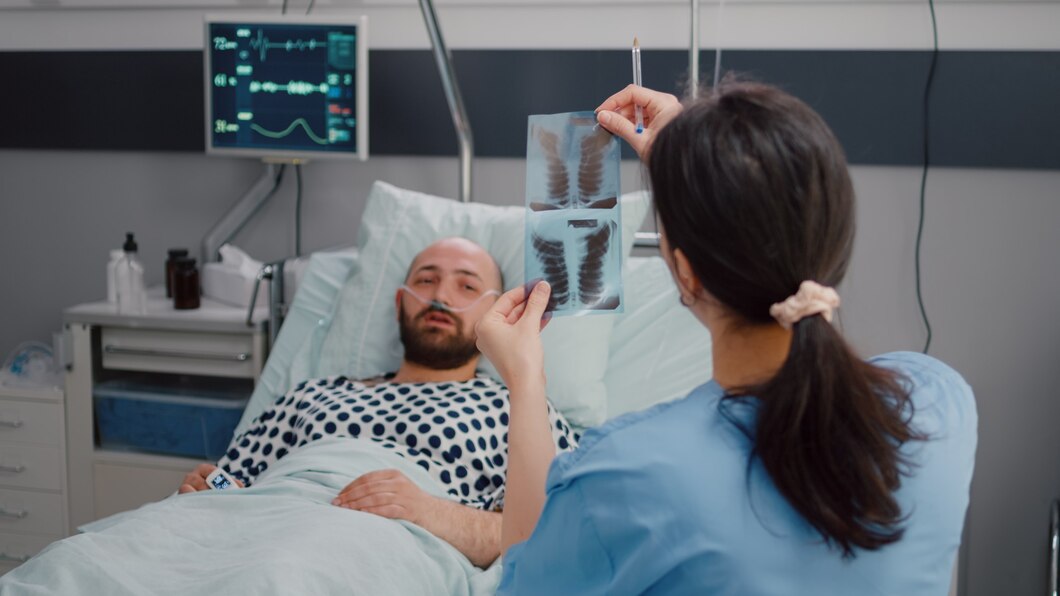
Emergency and Intensive Care Gangrene is not only a localized tissue problem — it can quickly become a systemic emergency. When bacteria, toxins, and inflammatory mediators spill into the bloodstream, patients can develop sepsis, sept...
Treatment Cost
| Service | Typical Cost (INR / Day or Case) | Notes / What's Included |
|---|---|---|
| ICU stay in private hospital | ~ ₹15,000 – ₹30,000 per day | Basic ICU charges: monitoring, nursing, basic support. More if ventilator / organ support etc. |
| ICU without ventilator in some private hospitals | ~ ₹13,000 – ₹16,500 / day | Depends on accreditation, level of monitoring. |
| ICU with ventilator support | ~ ₹30,000 – ₹50,000 or more / day in many metros | Includes ventilator rental, staff, more consumables. |
| Emergency Room (ER) visit in a private hospital & premium private hospitals | ~ ₹20,000 – ₹25,000+ for serious cases / high-end hospitals | For acute, major emergencies with diagnostics, stabilization etc. |
Top Cities
| City / Region | Type of Bed / Care | Approximate Cost per Day (INR) | Notes / Source |
|---|---|---|---|
| Delhi | ICU without ventilator | ₹13,000 – ₹15,000 | Private hospital rate caps during COVID; includes PPE, basic support but not high-end/drugs. |
| ICU with ventilator | ₹15,000 – ₹18,000 | Same rate caps by government in Delhi for ventilated ICU beds. | |
| Isolation bed (non ICU) | ₹8,000 – ₹10,000 | In Delhi, for oxygen / supportive care in isolation bed (private hospital, capped). | |
| Mumbai (Mumbai-Class A cities) | ICU without ventilator | ~₹7,500 / day (government-capped) | For many private hospital ICU beds under state regulation during certain government orders. |
| ICU with ventilator | ~₹9,000 / day | Under same government-capped rates in Class A cities in Maharashtra. | |
| Other Metro/Cities | ICU (premium private) | ₹15,000 – ₹30,000+ | In top multispeciality private hospitals, rate is often much higher than government-caps. (Example: costs noted in hospitals in Delhi, Bangalore) |
More Information
Conclusion
Emergency and intensive care in gangrene are not just about treating the wound; they are about keeping the patient alive while giving their body the best chance to recover. In the emergency room, the immediate priorities are clear and lifesaving — doctors first secure the airway to ensure safe breathing, then provide oxygen if needed. At the same time, large-bore IV lines are placed to deliver fluids quickly and stabilize dangerously low blood pressure, while broad-spectrum antibiotics are started without delay to slow the infection.
Continuous monitoring of heart rate, blood pressure, oxygen saturation, and urine output is established right away, since any sudden deterioration can be fatal. Once the patient is shifted to the ICU, the focus expands into multiple layers of care. Here, the team works to control overwhelming sepsis, maintain circulation with fluids and vasopressors, and protect vital organs like the kidneys, liver, and heart. Mechanical ventilation may be required if the lungs fail, and dialysis may be used if the kidneys stop working. Nutrition is given high priority, because without adequate protein and calories, wounds cannot heal and immunity weakens further. Specialized therapies like hyperbaric oxygen therapy may also be introduced in select cases, especially in gas gangrene, to improve tissue survival.
Throughout this process, surgery and medicine go hand-in-hand — debridement or even amputation may be necessary, but these operations can only succeed if the patient’s body is stabilized and supported at the ICU level. It is always a multidisciplinary effort, with intensivists, surgeons, infectious disease specialists, nurses, physiotherapists, and dietitians working together.
Ultimately, the success of gangrene management in the emergency and intensive care setting lies not just in cutting out dead tissue, but in orchestrating a coordinated response that keeps the patient alive, controls infection, and restores circulation to save as much limb and function as possible.